
Up to 40% off
Glassware
Shop
Bar Accessories
Get 30% off
Tableware
Shop
Refrigeration

Save Up To 30%
Front of House
Shop
Kitchen Accessories
Shop
Catering Equipment
Shop
Cleaning
Get 30% off
Disposables
Category
- Catering Equipment Wholesale (30)
- Servery & Display Equipment (30)
- Hot Cupboards & Plate Warmers (30)
- Servery & Display Equipment (30)
Brand
- Parry (10)
- Uropa (1)
- Lincat (12)
- Buffalo (1)
- Alto-Shaam (7)
Product Type
- Bain Maries (1)
- Display Units (1)
- Hot Cupboards (27)
- Hot Cupboards & Plate Warmers (1)
- Trolleys (1)
Warranty
- 1 Year (7)
- 2 Years (22)
Price
Min: £
Max: £
Hot Cupboards & Plate Warmers
Showing 1–16 of 30 results
-
£1,965.99 Ex. VAT
-
£5,239.80 Ex. VAT
-
£2,946.50 Ex. VAT
-
£3,166.60 Ex. VAT
-
£2,293.30 Ex. VAT
-
£1,526.50 Ex. VAT
-
£2,840.00 Ex. VAT
-
£1,795.49 Ex. VAT
Showing 1–16 of 30 results
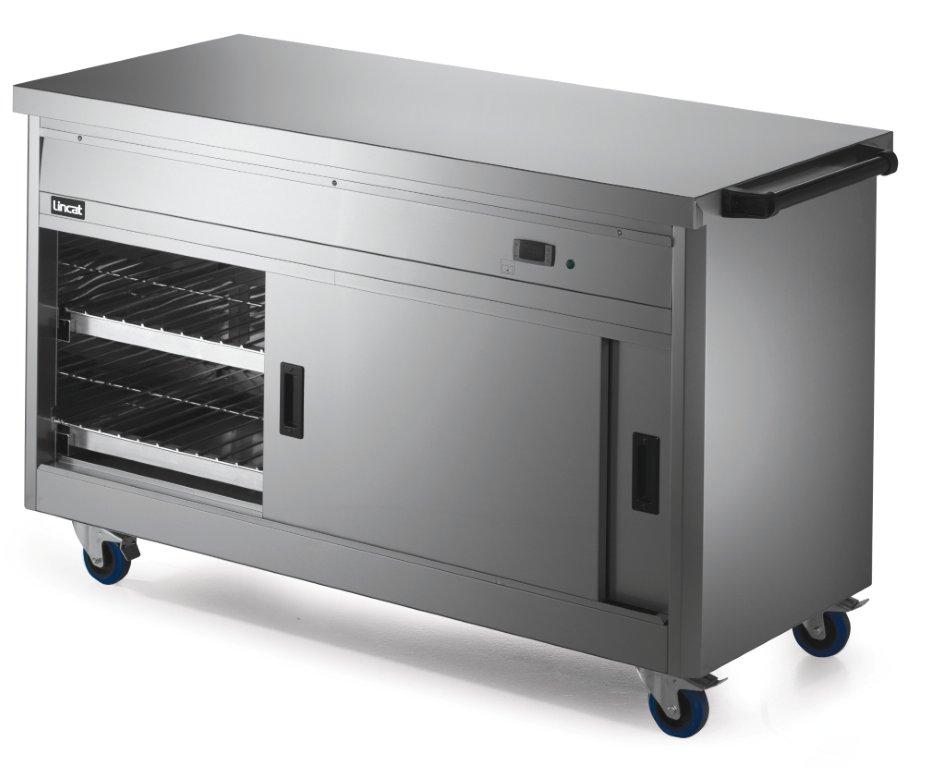
Hot Cupboards and Plate Warmers: 30 Units, Three Formats
Thirty hot cupboards and plate warmers make up this range: 12 Lincat, 10 Parry, 7 Alto-Shaam, 1 Buffalo, and 1 Uropa. Each one does the same basic job: keeps plates at serving temperature so a portion leaves the pass hot, and in some cases holds pans of food at temperature at the same time. Buyers who are clear about which of those two jobs they need get the right unit instead of the biggest one.
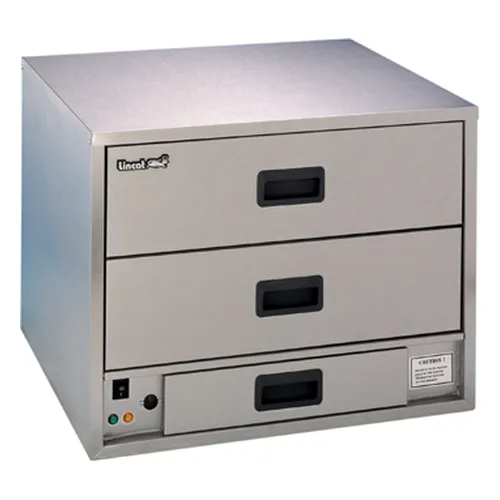
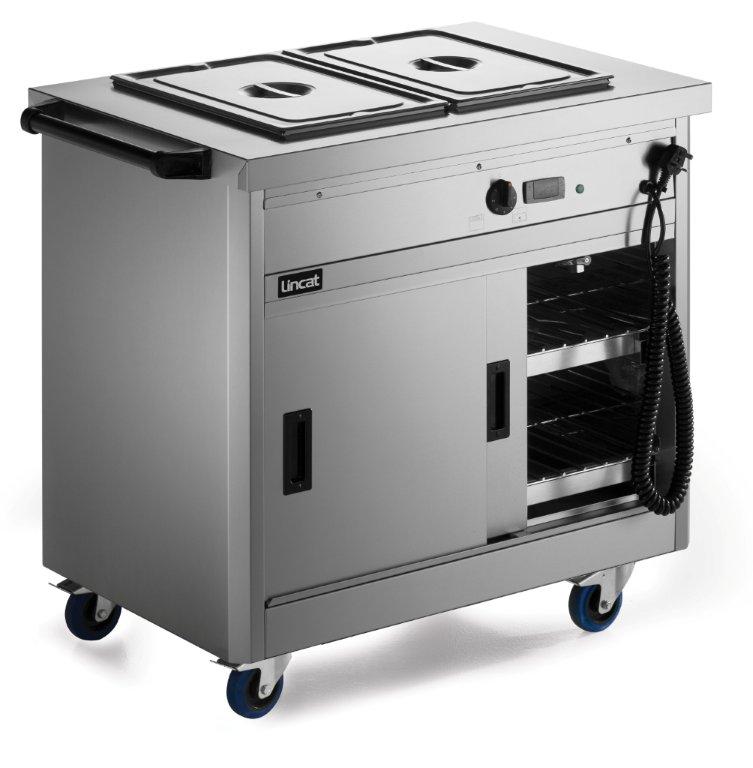
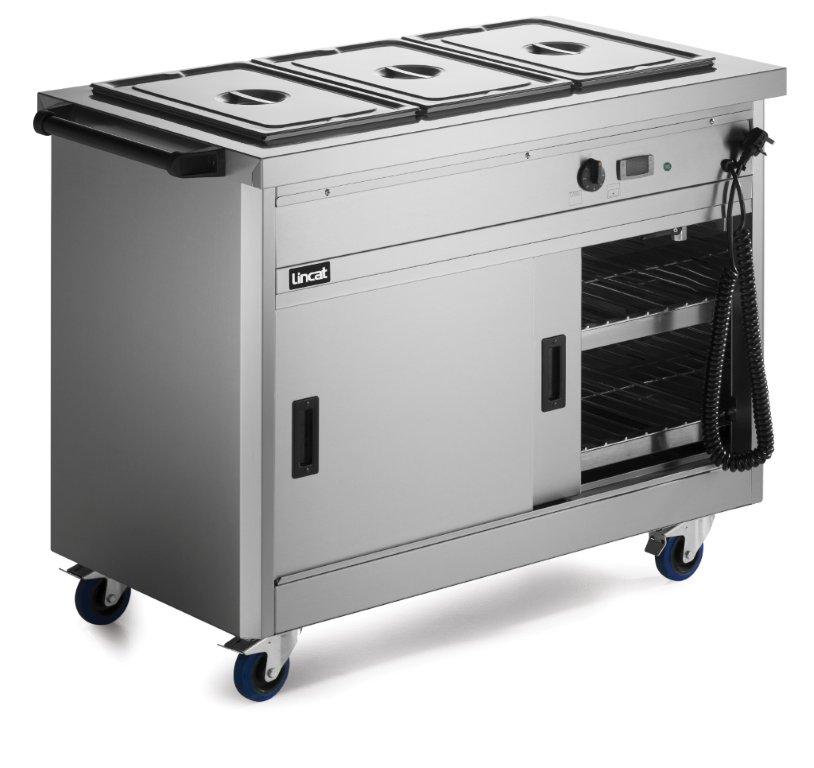
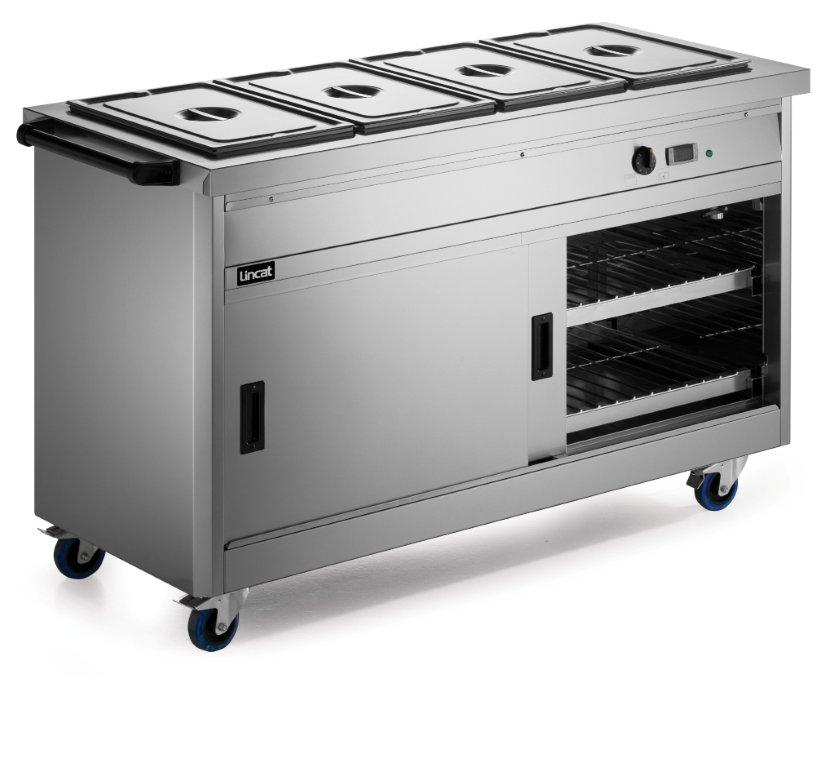
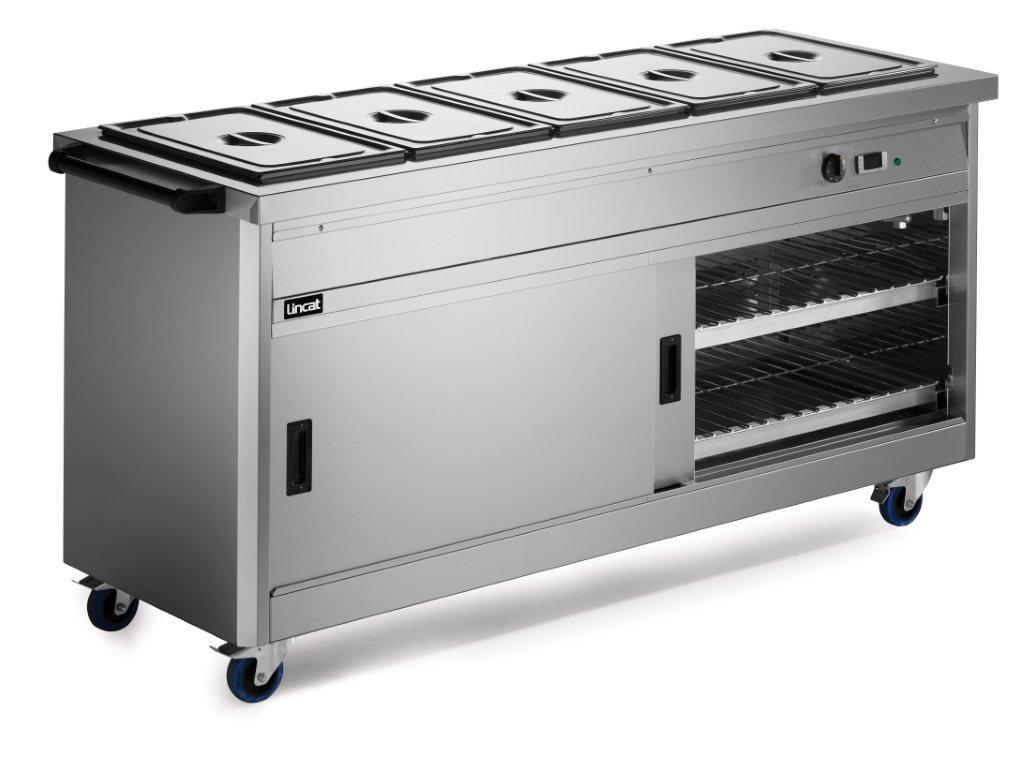
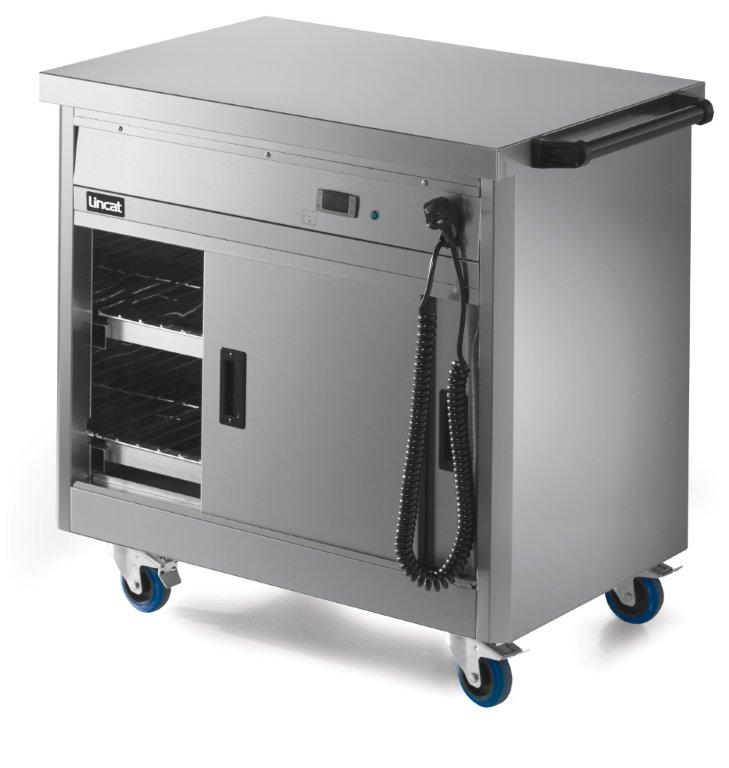
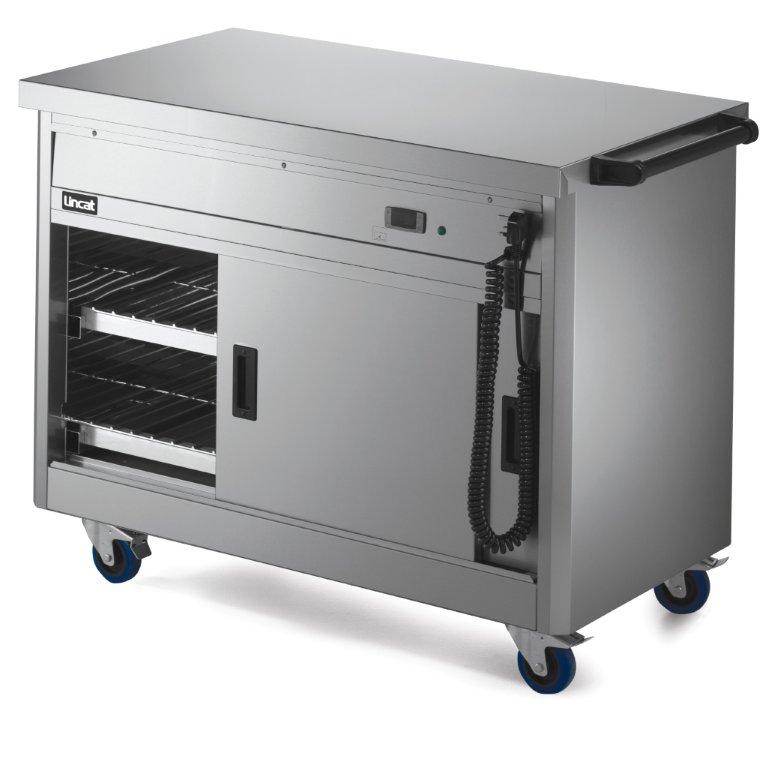
Three formats cover the whole choice: plain top, bain marie top, and drawer or cabinet units. A plain top warms plates and crockery in the cupboard only. A bain marie top does that and holds gastronorm pans on the heated surface above. Warming drawers and banquet cabinets take a third route – a small footprint in a tight position, or bulk holding for function service.
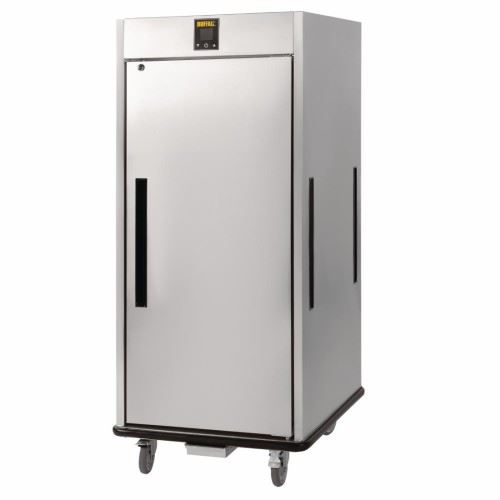
Brand coverage is deepest where buyers need width of choice. Lincat carries the Panther 670 in four widths and the Light Duty PLH in three, plus the FWDG warming drawers. Parry runs from compact single-door cupboards to a 70cm heated banqueting trolley, Alto-Shaam builds holding cabinets and drawer warmers graded by payload, Buffalo’s CP829 heated banquet cabinet takes 16 x 2/1GN pans, and Uropa fills in one specialist unit.
Plain Top or Bain Marie Top: The Key Buying Decision
Start with what the unit has to hold, not with the brand. Two questions settle most specifications: does food need a heated surface, and is this unit warming plates or holding a service?
- Plain top warms plates only. The cabinet brings crockery up to temperature, and the lid stays free. Specify it where a bain marie, hotplate or heated gantry already holds the food and the pass only needs warm plates underneath.
- Bain marie top warms plates and holds pans. The heated top carries gastronorm pans while the cupboard below warms plates, so one footprint on the pass does both jobs. Carvery, hotel and function service almost always want this arrangement.
- Plate warming and food holding are different temperatures. Plates sit at around 65°C – hot enough to protect the portion, cool enough to handle with a cloth. Hot food must stay at 63°C or above under Food Standards Agency guidance, and a hot cupboard plate warmer on its own does not guarantee that figure.
- Warming drawers suit tight, secondary positions. The Lincat FWDG drawers measure 485mm high, 620mm wide and 585mm deep, so they slot under a counter or beside a second service point where a full-height cupboard has no room.
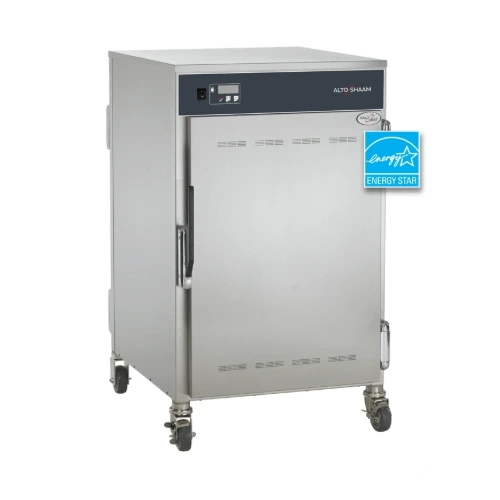
- Banquet cabinets and trolleys suit volume and mobility. Buffalo’s CP829 takes 16 x 2/1GN pans, Alto-Shaam’s cabinets are graded by payload from 16kg to 174kg, and Parry’s BT1 heated banqueting trolley is built to move a plated service from kitchen to function room.
- Match the top to the menu, not to the brochure. A carvery that switches to a bain marie top will stop buying separate pan-holding units; a kitchen that only plates to order will pay for a heated top it never switches on.
Trade Insight: What Actually Separates These Units
Specifications on this range look alike until you read the dimensions, the capacity basis and the door build. Four differences decide whether a unit earns its place on a busy pass, and a fifth decides whether it still works in year three.
- Door insulation and heat retention. An insulated door with a close-fitting seal holds temperature between openings, so the element cycles less and the unit recovers faster between courses. A lightly built door on a high-volume pass loses heat on every opening, no matter how good the thermostat.
- Capacity is quoted two different ways. Some units are sold on a plate count, which tells you how many covers you can plate at once. Others are sold on 2/1GN capacity, which tells you how much food volume the cabinet holds – the Buffalo CP829 is quoted at 16 x 2/1GN. Check which basis a unit uses before comparing two.
- The Lincat Panther 670 width ladder. Plain top P6P and bain marie top P6B both sit at 900mm high and 670mm deep, in 900mm, 1125mm, 1450mm and 1775mm widths. Pick the width from the pass run you actually have, not from the largest unit that will fit through the door.
- Light Duty PLH for smaller sites. PLH45, PLH60 and PLH90 measure 450mm, 600mm and 900mm wide at 900mm high and 600mm deep – the honest answer for cafés, small kitchens and satellite service points that a Panther 670 would overwhelm.
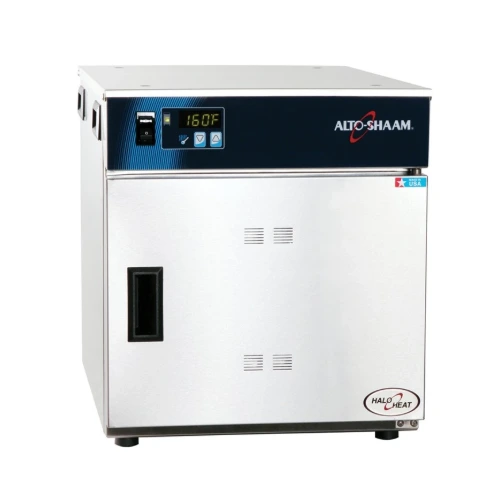
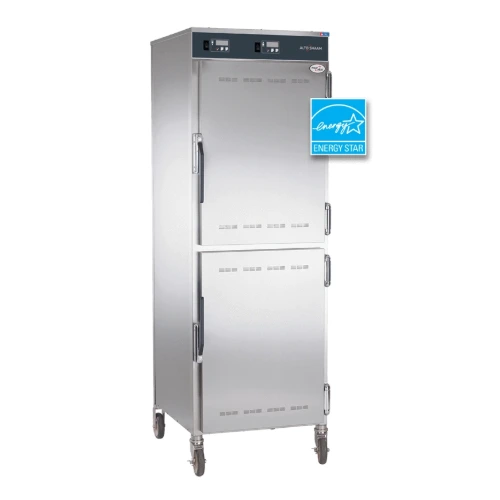
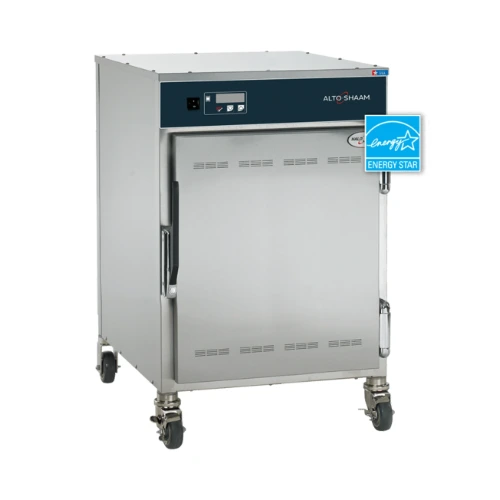
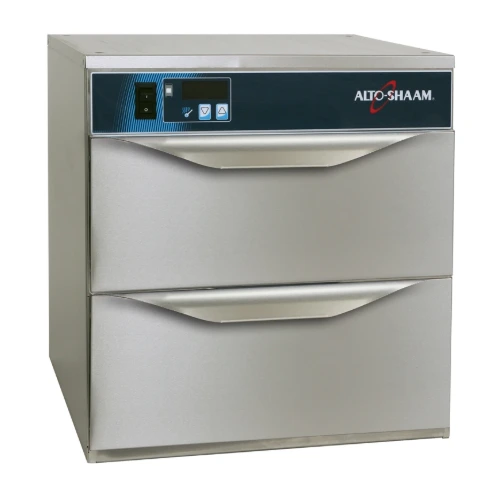
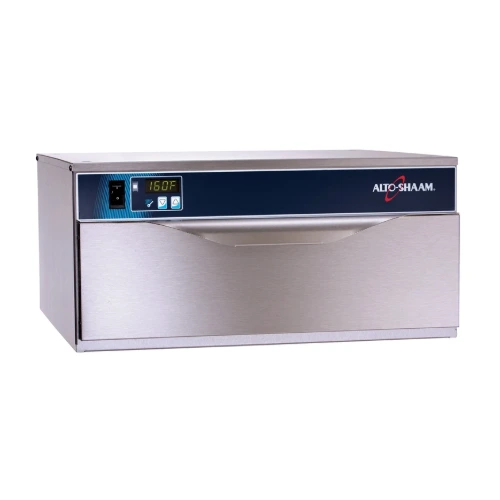
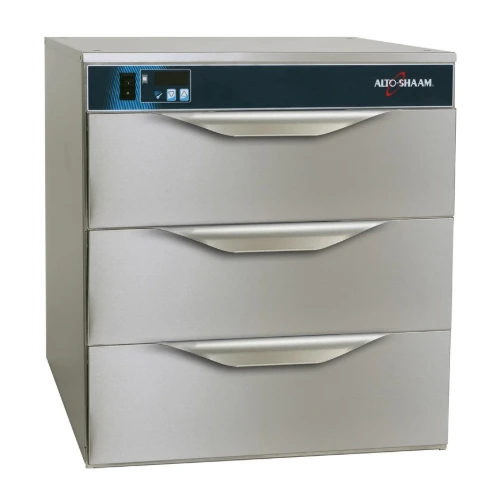
- Alto-Shaam sells on payload, not width. Its four holding cabinets are graded 16kg, 45kg, 87kg and 174kg, with drawer warmers in wide single, narrow two-drawer and wide three-drawer formats. If your service is measured by weight of food held rather than plate count, that is the ladder to read.
- Two temperatures, two rules. Plates around 65°C; hot food at 63°C or above. Food that drops below 63°C may be out of hot holding for up to two hours once only, after which it must be reheated until steaming hot, chilled quickly to 8°C or below, or thrown away.
- Door seals and gaskets fail first. The hinge side takes the wear on any cupboard opened all shift, and a perished gasket shows up as a unit that never quite reaches temperature. Check the seal on delivery, keep it clean, and treat it as a service part.
- The warranty splits two ways. Twenty-two units carry a two-year warranty and seven carry one year – the seven Alto-Shaam units. Worth knowing when a multi-site order mixes brands.
Why Buy from Ascot Wholesale
- Thirty units in one place – Lincat, Parry, Alto-Shaam, Buffalo and Uropa across plain top, bain marie top, warming drawer and banquet formats, so you can settle a specification in one conversation.
- Trade pricing with a price match promise – ex-VAT pricing across the range, and the price match team will review a like-for-like quote from elsewhere before you commit.
- Free delivery on qualifying orders – delivery is confirmed against order value and destination at checkout, with access details taken before dispatch on palletised items.
- 25 years in the hospitality trade – long enough to know that the difference between a 1125mm and a 1450mm cupboard is a service bottleneck, and to say so before an order is placed.
- Trade accounts for multi-site operators – a single account covering kitchens, function suites and satellite sites, with volume terms discussed before the specification is signed off.
If this is part of a wider project, browse the full Servery & Display Equipment range, add Bain Maries where pans need their own holding unit, and finish the run with Chafing Dishes for buffet service.
Frequently Asked Questions
What is the difference between a plain top and a bain marie top hot cupboard?
A plain top warms plates and crockery inside the cabinet and leaves the lid free. A bain marie top adds a heated surface above the cupboard that holds gastronorm pans of food, so one unit warms plates and holds pans at the same time. Carvery, hotel and function service normally need the bain marie top.
What temperature should plates be held at in a hot cupboard?
Around 65°C. Plates at that temperature are safe to handle with a cloth and hold a portion’s heat long enough to reach the table. Hot food itself must be held at 63°C or above under Food Standards Agency guidance, and a plate warmer on its own does not guarantee that figure.
Does a hot cupboard cook food or only hold it?
It only holds. Food must be cooked or reheated until steaming hot before it goes into the cupboard, which then keeps it at 63°C or above until service. Food held below 63°C can be out of hot holding for two hours once only, after which it must be reheated, chilled quickly or discarded.
Are hot cupboards suitable for banqueting?
Yes. The Buffalo CP829 heated banquet cabinet takes 16 x 2/1GN pans, Alto-Shaam’s holding cabinets are graded by payload from 16kg to 174kg, and Parry’s BT1 heated banqueting trolley moves a plated service between kitchen and function room.
Can I open a trade account for bulk pricing on hot cupboards?
Yes. Restaurants, hotels, contract caterers, and event businesses can open a trade account for ex-VAT pricing across the range and volume terms on multiple units. Ask the trade team for an account before a multi-site order is specified.
How is delivery handled on hot cupboards and plate warmers?
Delivery terms are confirmed at checkout against order value and postcode. Cabinets and trolleys arrive palletised, so tell the team about stairs, lifts or restricted doorways before dispatch, and check the door seals and gaskets on arrival.
Useful Sources
- Food Standards Agency – Safer food, better business for caterers: the hot holding rules behind the 63°C figure and the two-hour limit.
- Health and Safety Executive – Health and safety in catering: guidance on safe working practice and equipment in catering kitchens, including manual handling of heavy units.
- Gas Safe Register – Gas safety in commercial catering: what is required where a gas-fired unit or its pipework is serviced or installed.